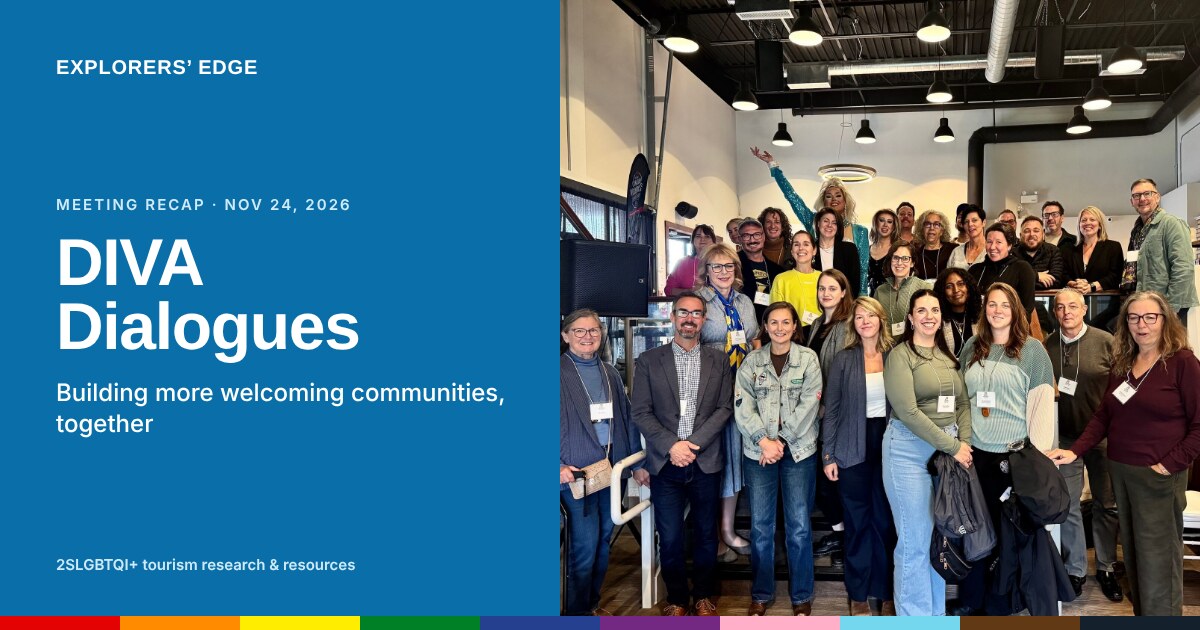
DIVA Dialogues: What We Heard, and What Comes Next
Meeting recap · November 24, 2026
DIVA Dialogues: Building more welcoming communities, together
How do we make sure 2SLGBTQI+ travellers don’t just feel welcome in our region, but can see and experience that welcome in meaningful ways?
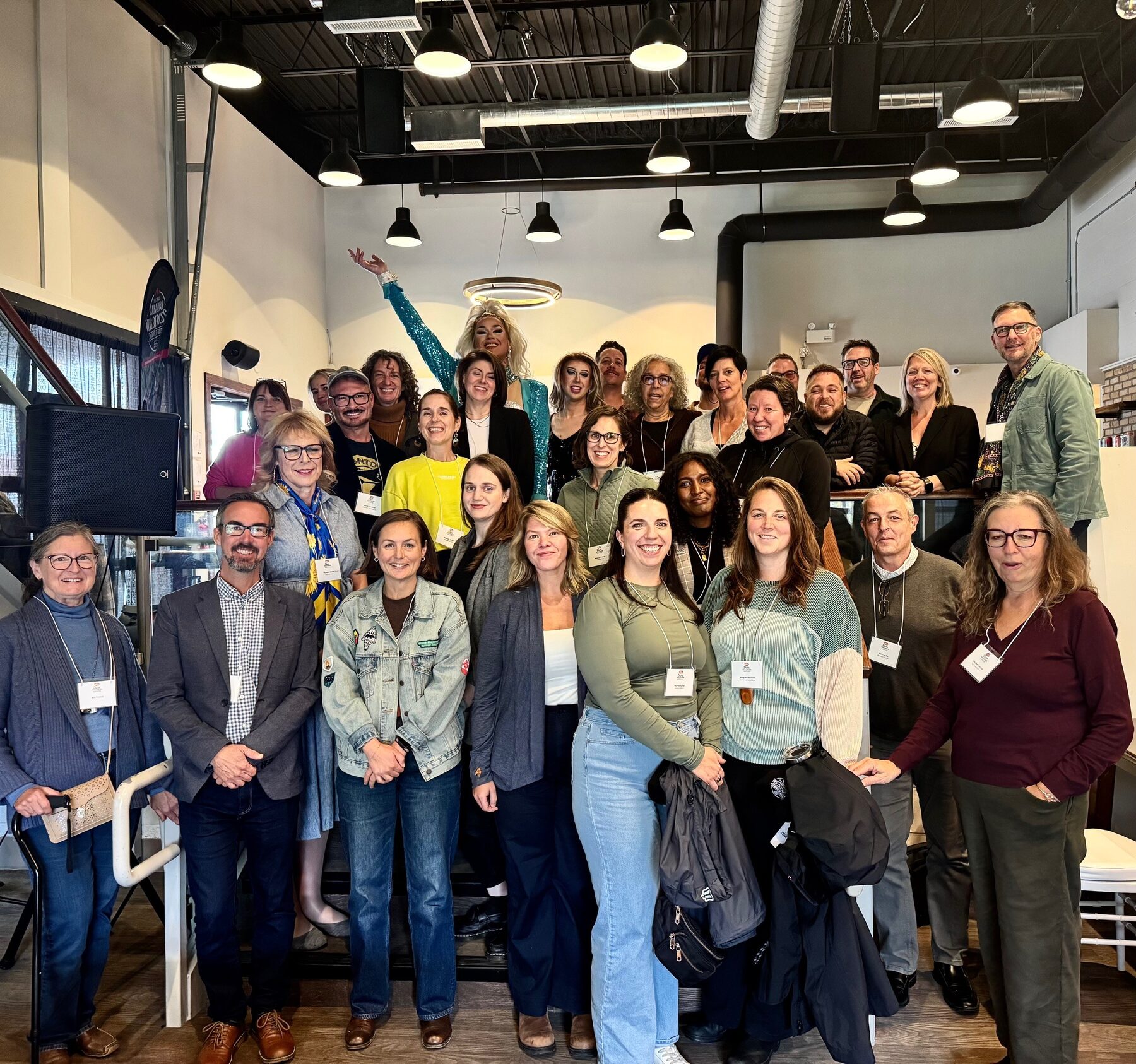
Creating welcoming destinations is a shared responsibility.
The November 24 virtual gathering brought together regional Pride organizations, tourism businesses, community advocates, Destination Ontario and the Canadian Queer Chamber of Commerce (CQCC). It moved beyond awareness and promotion to ask what meaningful inclusion looks like in rural communities, and how tourism can help support it.
As Explorers’ Edge enters its next business planning cycle, we shared new research, reviewed a regional destination audit, reflected on our own Rainbow Registered assessment, and heard from people building welcoming communities across Muskoka, Parry Sound, Almaguin Highlands and beyond.
The work cannot rest on Pride organizations and volunteers alone.
01 · What the research tells us
Travellers are looking for proof, not just symbols.
A 2026 study by Context Research Group for Destination Ontario surveyed 2SLGBTQI+ leisure travellers in Canadian, U.S. and overseas markets. Our partner report focuses on 399 travellers likely to visit Ontario and familiar with Muskoka, Parry Sound and Algonquin Park.
value legal protections when choosing a destination
value welcoming community attitudes
are interested in nature and outdoor experiences
name Pride and 2SLGBTQI+ events as a travel motivation
Source: Context Research Group, 2SLGBTQI+ Research Partner Report for Explorers’ Edge, May 2026 (n=399).
The findings reinforce the link between tourism, community wellbeing and economic opportunity. Nature and the outdoors are among the strongest reasons to visit Ontario — but 2SLGBTQI+ culture, community spaces and events are nearly as important. There’s real potential to grow visitation beyond the summer season, too.
Most importantly, travellers want evidence of genuine inclusion. Staff training, inclusive policies, community attitudes and recognized accreditation reassure visitors that a welcoming message is backed by action.
For rural communities, the opportunity is to connect existing tourism strengths with authentic community experiences — not to build entirely new attractions.
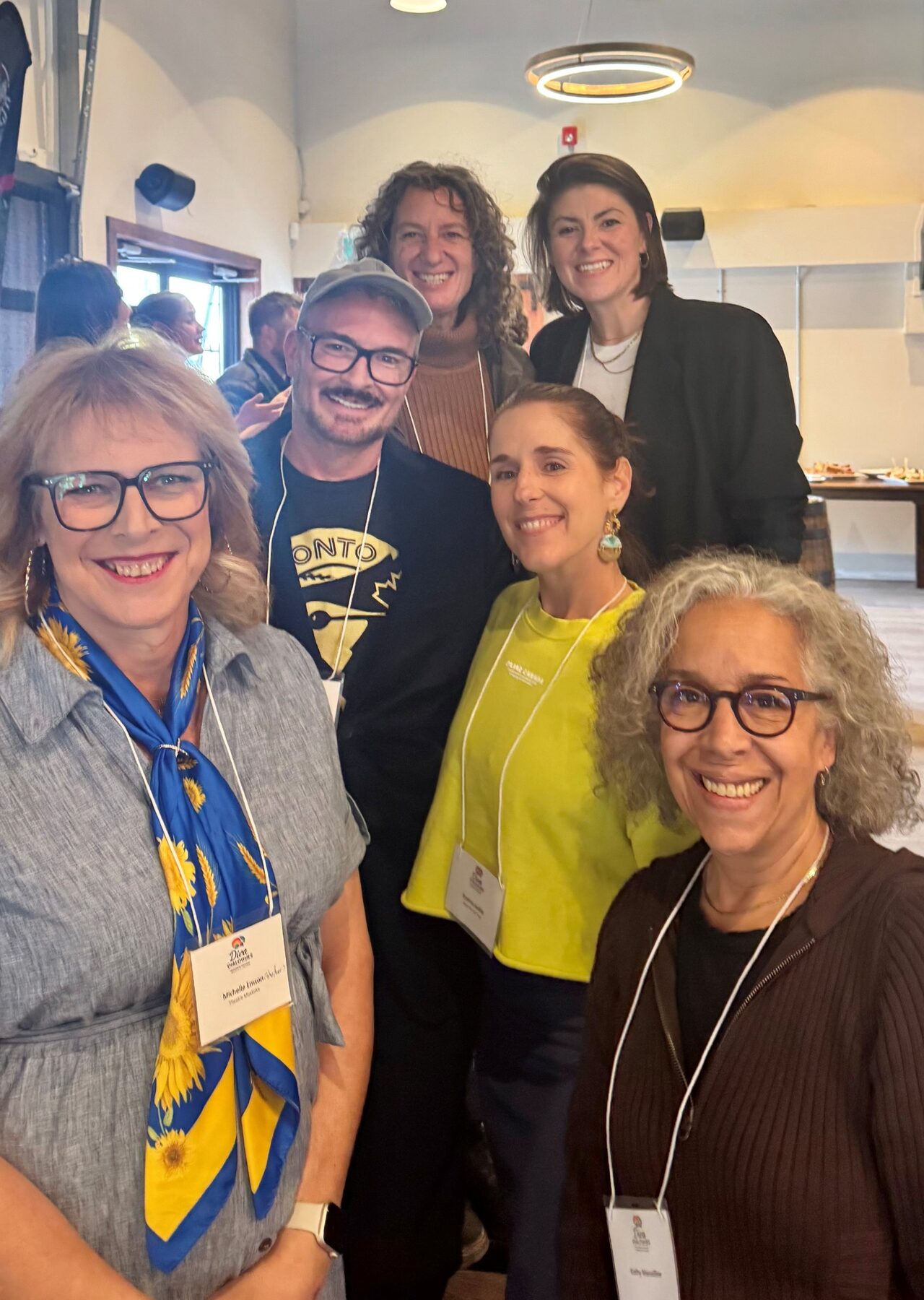
“If someone feels safe and welcome, they will come.”
02 · What the destination audit revealed
A roadmap, not another to-do list.
The CQCC Destination Assessment and Audit Program was shaped with input from local stakeholders, community organizations and tourism partners.
Strengths to build on
- Established Pride organizations
- Growing business participation
- Inclusive events
- A commitment to regional collaboration
Where attention is needed
- Uneven visibility of 2SLGBTQI+ experiences on tourism websites
- Limited resources in smaller communities
- Broader representation
- Stronger training, partnerships and municipal engagement
Six areas for long-term development
Community engagement
Strategic planning
Partnerships
Investment and support
Authentic tourism experiences
Inclusive marketing
These recommendations are a roadmap for regional collaboration — not an expectation that volunteer organizations or small businesses complete everything at once.
03 · What we heard
“We believe it, but how do we show it?”
That question from one participant ran through the whole conversation. Many businesses and communities are already welcoming. The challenge is making that welcome intentional, written down and visible. Here’s what participants told us.

A clear path to training and accreditation
Businesses want to build inclusive practices but asked where to start: what training partners should have, what the criteria are, and a single page of vetted links. Participants suggested more approachable programs as a first step toward Rainbow Registered, and noted that CQCC offers free training modules. One participant offered to help local businesses set up quick staff training.
“What I really need is a path.” — Participant
Making the case to municipalities
Many small municipalities have no regional centre, and some have no basic tourism plan, so inclusion work can feel like the cart before the horse. Participants said council members often ask one question: will this bring visitors who spend money? They asked for economic impact data councils can use, and offered to approach new councils together.
“Money is such an unlocking key here for us.” — Participant
Visibility on regional and provincial platforms
Participants noticed that provincial and partner tourism websites say little about 2SLGBTQI+ travel in our region. Destination Ontario shared a free content intake form so Pride organizations and businesses can submit their events and experiences directly. Participants also want stronger partnerships with local tourism and economic development organizations.
A shared regional voice
If Pride organizations, operators and Explorers’ Edge market the region together, what language do we use? Participants raised the question of a common name and acronym, and how a regional approach can make room for every Pride organization, Two-Spirit voices and Indigenous partners. The working group will explore it.
Inclusion that welcomes everyone
One participant compared this work to school Gender-Sexuality Alliances, which shift the culture of a whole school, and asked whether research shows inclusive destinations are better for every visitor. Another noted that welcoming one traveller also welcomes the family and friends who travel with them.
“You’re not just attracting one person.” — Participant
Support that builds on volunteers’ work
Local Pride organizations run on limited budgets and volunteer time. The message was consistent: help should add capacity, not add responsibilities. Participants also discussed a working group to guide priorities and a regional strategy.
04 · From conversation to next steps
Taking on a greater share of the responsibility.
Findings and feedback will inform Explorers’ Edge’s 2027–2028 business and operational planning and longer-term strategic direction. Based on what participants told us, here’s what we committed to:
- 01A practical resource page with vetted training links, accreditation pathways (including approachable first steps toward Rainbow Registered) and support programs.
- 02Tools for municipal conversations: a one-page economic impact summary and examples of municipalities that are doing this well.
- 03Looking into research on how inclusive destinations benefit all visitors, as participants asked.
- 04In January, asking each Pride organization about upcoming programming and its funding wish list, and exploring core funding for groups without matching funds.
- 05Inviting working group feedback on the 2SLGBTQI+ parts of our draft 2027–2028 operational plan and 3–5 year strategy before they’re finalized.
- 06An in-person gathering in February 2027, with a short collaborative video featuring local voices and regional data.
- 07More year-round 2SLGBTQI+ content on The Great Canadian Wilderness and partner channels.
- 08Deeper conversations with partners about the inclusivity clause already in every partnership agreement, and how those commitments are put into practice.
The objective isn’t more work for volunteers — it’s finding where tourism organizations, businesses and public-sector partners can carry more of the load.
Recognizing regional leadership
Kieran Day, Bala Bay Inn
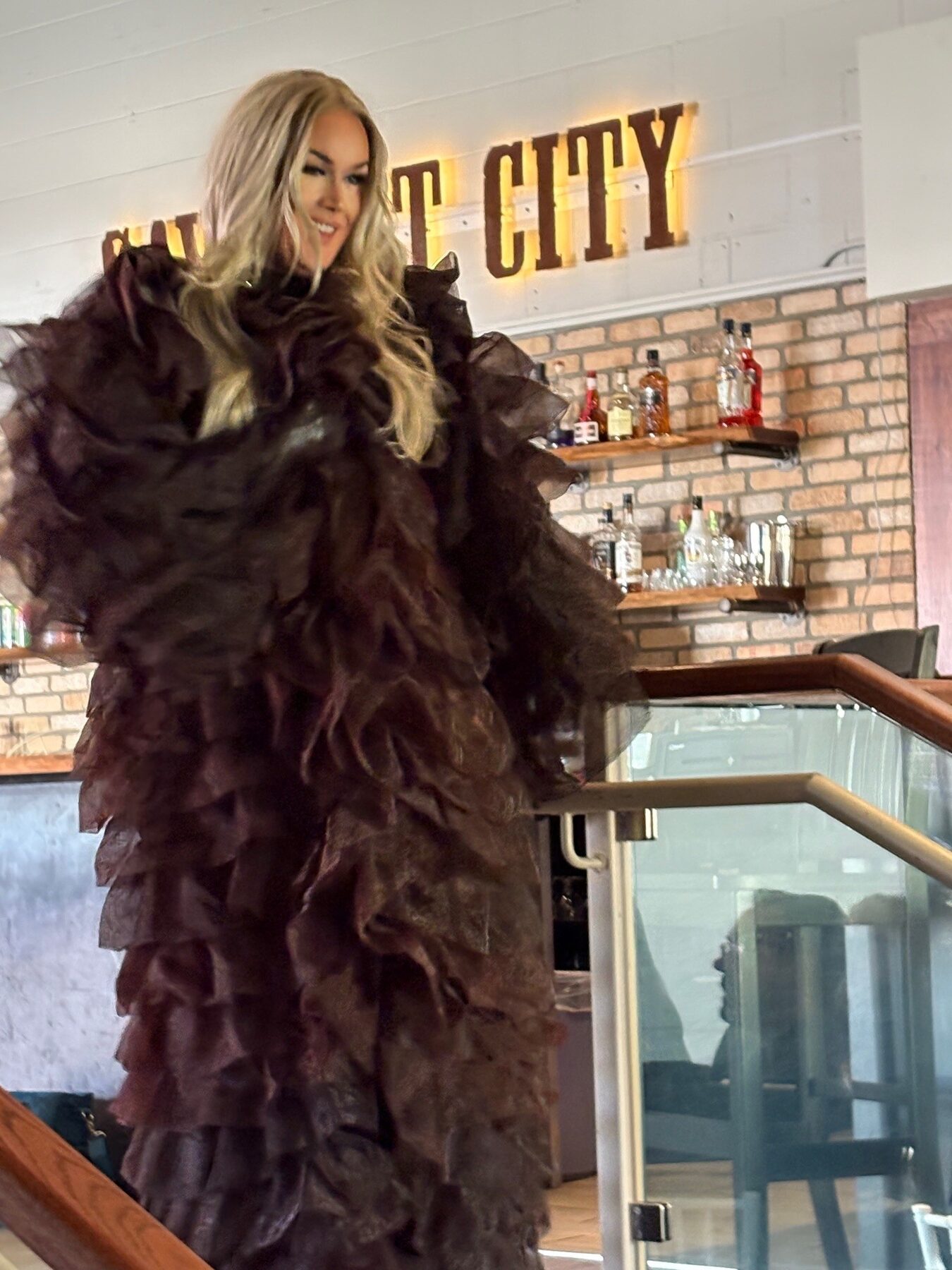
Through the Bala Bay Divas, Kieran has brought inclusive programming, performance and cultural experiences to rural Muskoka — and was named a finalist in the 2026 Ontario Tourism Awards of Excellence, bringing regional 2SLGBTQI+ leadership to a provincial audience.
January 15, 2027 · JW Marriott The Rosseau Muskoka
Continue the conversation at BREAKING THE ICE
Our Winter Tourism Summit includes a breakout with CQCC representatives and regional partners on Rainbow Registered accreditation and the journey toward more inclusive tourism. Discounted registration is available for non-profit community partners.
Learn more about the SummitResearch, presentations and resources
Dig into the findings.
For community organizations, tourism operators and municipal partners who want to explore the work in more detail.
Training, promotion and funding
External resources relevant to the discussion.
- CQCC Rainbow Registered Program ? — National accreditation for businesses and organizations.
- Canadian Queer Chamber of Commerce ? — Training, educational resources and business support.
- Destination Ontario – 2SLGBTQI+ Travel ? — Provincial content highlighting inclusive experiences and communities.
- Destination Ontario – Work With Us ? — Share content and collaborate on promotion.
- Destination Ontario – Content Intake Form ? — A free, quick way for Pride organizations, event organizers and businesses to share 2SLGBTQI+ events and experiences with Destination Ontario’s website, marketing and media relations teams.
- Experience Ontario 2027 – Festival and Event Funding ? — Provincial funding for eligible festivals and events.Deadline: Dec 16, 2026, 3:00 p.m.
Community comes first. Tourism can help strengthen it.
DIVA Dialogues is an ongoing conversation about how tourism can contribute to stronger, more welcoming and economically resilient communities. Whether through staff education, inclusive policies, community partnerships, event support or improved visibility, meaningful progress can begin with practical steps.
One participant challenged the region to aim even higher: to strive to become the most welcoming destination in Canada.
We welcome feedback from Pride organizations, business operators, municipalities, tourism partners and community members as this work evolves.
Share your feedback